
Disposable vs Reusable Gloves: 7 Key Differences to Choose the Best Pair
Discover which gloves fit your needs best — comfort, cost, hygiene, and sustainability.
Whether you’re cooking, cleaning, working in healthcare, or handling chemicals, choosing between disposable vs reusable gloves is essential for protecting your hands and maintaining hygiene. Each type has unique strengths, and understanding these differences will help you pick the right gloves for your tasks.
In this guide, we’ll break down the materials, comfort, cost, environmental impact, and practical uses for both types, so you can make an informed decision that fits your lifestyle or work requirements.
What Are Disposable Gloves?
Disposable gloves are single-use protective gloves made from materials like nitrile, latex, or vinyl. They are designed for situations where hygiene and preventing contamination are top priorities. Once used, these gloves are discarded, making them ideal for healthcare, food handling, and quick cleaning tasks. These gloves offer excellent dexterity and tactile sensitivity, which is why they are favored for tasks requiring precision. Common types include:- Latex: Soft and stretchy, but may cause allergies.
- Nitrile: Durable, puncture-resistant, and latex-free.
- Vinyl: Cost-effective for short-term use, though less durable.
What Are Reusable Gloves?
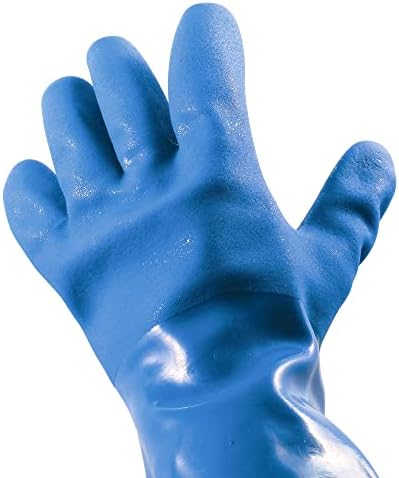
Reusable gloves are designed for repeated use and are typically made from thicker materials such as rubber, neoprene, or heavy-duty nitrile. They provide higher durability and protection for ongoing tasks like household chores, industrial work, or gardening. Unlike disposable gloves, reusable options can be washed and disinfected, making them cost-effective and more environmentally friendly. Typical uses include:- Dishwashing and cleaning with chemicals
- Automotive repairs and maintenance
- Gardening and landscaping
- Construction or heavy labor


Key Differences at a Glance
Material
Disposable: Latex, nitrile, vinyl. Reusable: Rubber, neoprene, nitrile.Durability
Disposable: Single-use; discard if punctured. Reusable: Can last weeks or months.Environmental Impact
Disposable: Creates more waste. Reusable: Lower footprint over time.Comfort & Fit
Disposable: Lightweight and snug for short tasks. Reusable: Thicker but more padded for long-term wear.Cost
Disposable: Low per pair but adds up with frequent use. Reusable: Higher upfront cost but cheaper over time.Cost Comparison
Disposable gloves may appear cheaper initially, with boxes of 100 often priced under $10. However, constant replacement adds up over time, especially for professionals using multiple pairs daily. Reusable gloves cost more upfront ($5–$15 per pair) but can last weeks or months. With proper care, they provide better value and reduce waste significantly. Tip: For one-time or hygiene-critical tasks, disposable gloves make sense. For ongoing chores or industrial work, reusable gloves are more economical.Hygiene & Safety
🧴 Disposable Gloves
Disposable gloves excel at preventing cross-contamination. Ideal for medical, lab, or food handling environments, they should never be reused and must be properly discarded after each use.🧼 Reusable Gloves
Reusable gloves offer excellent protection against chemicals and dirt but require proper cleaning. Wash with mild soap, dry thoroughly, and store in a cool, dry place. Avoid sharing to maintain hygiene.Comfort and Fit
Comfort matters, especially for prolonged tasks. Disposable gloves provide a snug, second-skin fit ideal for precision work, while reusable gloves are thicker but often include textured grips or soft linings for long-term comfort. For extra comfort or hygiene, some users wear thin disposable gloves under reusable ones during heavy-duty work.Environmental Impact
Environmental concerns are increasingly important. Disposable gloves generate more waste and are difficult to recycle. Biodegradable options exist but are limited. Reusable gloves reduce waste when properly maintained and replaced only when they lose integrity, making them the sustainable choice for regular use.When to Use Each Type
| Use Case | Best Choice |
|---|---|
| Medical or Lab Work | Disposable |
| Food Preparation | Disposable |
| Cleaning & Dishwashing | Reusable |
| Gardening | Reusable |
| Painting or Auto Work | Reusable |