
Disclosure: This post contains affiliate links. If you make a purchase through these links, we may earn a commission at no additional cost to you.
This guide breaks down the technology behind heated gloves, how they generate heat, what makes different models perform better, and which features are worth paying attention to. Whether you want warmer gloves for work, sports, or daily wear, understanding the tech will help you choose gloves that actually perform in freezing temperatures.
Why Heated Gloves Are Different
Traditional winter gloves only insulate your hands — but heated gloves produce their own heat. They improve comfort and circulation in extreme cold, and are especially useful for:
- Raynaud’s syndrome or poor blood circulation
- Snow sports (skiing, snowmobiling, snowboarding)
- Motorcycling and cycling in cold weather
- Winter work outdoors or long exposure to freezing temps
Heated gloves solve the biggest problem with winter gloves: the fingertips go cold first because they get the least blood flow. Heating elements and advanced temperature control keep warmth where your hands need it most. Unlike hand warmers or disposable heating pads, heated gloves are designed to distribute heat evenly, maintain warmth for hours, and avoid restricting mobility.
Active Heating
Heated gloves use battery-powered heating wires to produce heat on demand — not just retain it like regular gloves.
Smart Temperature Control
Most models include adjustable heat settings to match temperature and activity level, preventing overheating and battery waste.
Modern Battery Technology
Rechargeable lithium-ion batteries deliver long runtime, faster heating, and lighter glove designs.

How Heated Gloves Work: The Technology Inside
Carbon Fiber Heating Elements — Most Efficient
Carbon fiber heating wires run through the palm and along the fingers. They heat up quickly, distribute warmth evenly, and stay safe to the touch. Carbon fiber is popular due to its low power consumption and flexibility, keeping gloves comfortable without stiffness.
- Fast heating and low energy consumption
- Flexible and durable heating wires
- Excellent for skiing, motorcycling, and outdoor work
Some premium gloves extend carbon fiber coils around each finger and thumb, eliminating cold spots common in cheaper models. Best for: High-performance heated gloves and extreme cold.
Micro-Heating Wire Technology — Lightweight & Flexible
Micro-heating wires are tiny threads woven into the glove interior, providing precise heat with minimal bulk. They maintain flexibility and dexterity for daily wear.
- Lightweight and invisible heating system
- Better fingertip coverage
- Reduced bulk and greater hand mobility
Best for: Daily wear, commuting, cycling, and low-profile heated gloves.
Rechargeable Lithium-Ion Batteries — Long Runtime
Lithium-ion and lithium-polymer batteries power most heated gloves. They are lightweight, rechargeable, and long-lasting. Multiple heat settings balance warmth and runtime.
- Up to 3–10 hours of heating depending on settings
- Multiple heat levels for battery efficiency
- USB-charged and environmentally friendly
Best for: Motorcycling, skiing, cycling, and work gloves.
Thermal Insulation — Keeps Heat Inside
Premium insulation (Thinsulate, fleece, cotton blends) keeps heat inside, prevents wind chill, and maintains a comfortable micro-climate during extended use.
- Reduces heat loss and wind chill
- Improves warmth at low power settings
- Prevents cold spots and drafts
Dual-layer designs with waterproof outer shells and breathable liners maximize comfort and warmth.
Smart Temperature Control
Some gloves allow smartphone control or automatic thermostats to monitor and adjust heat levels for efficiency and battery preservation.
- 3–5 power modes
- Auto-regulating heat sensors in advanced models
- Protects battery life
Premium gloves may include waterproof membranes, touchscreen fingertips, reinforced palms, and anti-slip patterns.
Types of Heated Gloves by Use Case
Different activities require different features from heated gloves. Understanding the specific requirements for your use case helps you select gloves that perform well in your environment.
Motorcycle Heated Gloves
Motorcycle heated gloves are designed for high-speed wind exposure and long rides. They typically feature windproof outer shells, extended battery life (6-10 hours), and reinforced palms for grip. Many include smartphone app control for adjusting heat levels while riding. Look for gloves with heating elements in the fingertips and back of the hand, as these areas lose heat fastest at highway speeds.
- Windproof and waterproof construction essential
- Extended battery life for long rides
- Reinforced palms and knuckle protection
- Touchscreen compatibility for GPS devices
Work and Outdoor Heated Gloves
Work gloves with heating technology combine safety features with warmth. They’re built for durability, often featuring cut-resistant materials, impact protection, and extended battery life for full work shifts. Many work models include removable liners for easy cleaning and replaceable batteries for continuous use throughout the day.
- Durable construction for harsh work environments
- Impact and cut resistance where needed
- Removable batteries for extended shifts
- Waterproof and weather-resistant materials
Sports and Recreation Heated Gloves
Sports heated gloves prioritize flexibility and dexterity for activities like skiing, snowboarding, and ice fishing. They use lightweight heating systems that don’t interfere with movement. Many feature quick-heat technology that warms up within 30 seconds and include moisture-wicking liners to keep hands dry during active use.
- Lightweight and flexible design
- Quick-heat technology for immediate warmth
- Moisture-wicking and breathable materials
- Secure wrist closures to prevent snow entry
Daily Wear and Commuting Heated Gloves
For everyday use, heated gloves focus on comfort, style, and convenience. They’re often thinner and more fashionable than work or sports models, with touchscreen compatibility for smartphone use. Daily wear gloves typically offer 3-5 hours of battery life, which is sufficient for commuting, walking, or running errands in cold weather.
- Thin profile for easy pocket storage
- Touchscreen-compatible fingertips
- Fashionable designs for everyday wear
- USB charging for convenience

Battery Life and Charging Best Practices
Understanding battery performance and proper charging habits extends the life of your heated gloves and ensures reliable warmth when you need it most.
Battery Runtime Expectations
Battery life varies significantly based on heat setting, ambient temperature, and battery capacity. On the highest heat setting, most gloves provide 2-4 hours of continuous heating. Medium settings typically last 4-7 hours, while low settings can extend to 8-12 hours. Cold weather reduces battery efficiency, so expect shorter runtimes in extreme cold. Premium models with larger batteries (2000mAh+) offer the longest runtime, while compact daily-wear gloves use smaller batteries (1000-1500mAh) for portability.
Charging Tips for Maximum Battery Life
Proper charging habits preserve battery health and maximize lifespan. Always use the manufacturer’s provided charger or a compatible USB charger with the correct voltage. Avoid charging batteries when they’re extremely cold—warm them to room temperature first. Don’t leave batteries charging overnight unnecessarily, and avoid letting batteries fully discharge regularly. Most lithium-ion batteries perform best when kept between 20-80% charge for daily use, with full charges reserved for when you need maximum runtime.
- Charge batteries at room temperature for best results
- Use manufacturer-recommended chargers only
- Avoid overcharging or deep discharging
- Store batteries at 50% charge if not using for extended periods
Extending Battery Life During Use
To maximize battery life during use, start with the lowest effective heat setting and increase only if needed. Use the highest setting sparingly—it can drain batteries 2-3 times faster than medium settings. Turn off heating when not needed, such as when indoors or during breaks. Some gloves include auto-shutoff features that turn off heating after a period of inactivity, which helps preserve battery life.
Safety Considerations and Precautions
While heated gloves are generally safe when used properly, understanding potential risks and following safety guidelines prevents accidents and extends product life.
Temperature and Overheating Protection
Quality heated gloves include built-in safety features to prevent overheating. Most models have automatic shutoff if temperatures exceed safe limits, typically around 120-140°F (49-60°C). However, it’s important to monitor your gloves during first use and remove them immediately if you experience any discomfort, burning sensation, or unusual heat concentration. Never use damaged gloves or batteries, as this can cause malfunctions or safety hazards.
Battery Safety Guidelines
Lithium-ion batteries require careful handling. Never expose batteries to extreme heat, puncture them, or immerse them in water. Store batteries away from metal objects that could cause short circuits. If a battery becomes damaged, swollen, or shows signs of malfunction, stop using it immediately and dispose of it properly at a battery recycling facility. Always remove batteries from gloves before washing, and never charge batteries while they’re wet.
- Never use damaged or swollen batteries
- Keep batteries away from extreme heat and water
- Remove batteries before washing gloves
- Store batteries in a cool, dry place
Medical Considerations
People with diabetes, neuropathy, or reduced sensitivity should use extra caution with heated gloves. These conditions can reduce the ability to detect overheating, increasing burn risk. Always start with the lowest heat setting and monitor carefully. Consult with a healthcare provider before using heated gloves if you have circulation issues or skin conditions. Never use heated gloves while sleeping, as you cannot monitor temperature or remove them if needed.
Care and Maintenance for Heated Gloves
Proper care extends the lifespan of your heated gloves and maintains their heating performance. Different materials require different cleaning approaches, and battery maintenance is crucial for long-term reliability.
Cleaning Heated Gloves
Always remove batteries before cleaning heated gloves. Most models with removable liners allow you to wash the liner separately while keeping the outer shell clean with a damp cloth. For gloves without removable liners, spot cleaning with a mild detergent and damp cloth is safest. Never submerge heated gloves in water, use bleach or harsh chemicals, or put them in a washing machine or dryer. The heating elements and wiring can be damaged by excessive moisture or heat from dryers.
Storage Best Practices
Store heated gloves in a cool, dry place away from direct sunlight and heat sources. Remove batteries before long-term storage and store them separately at 50% charge. Avoid folding or compressing gloves tightly, as this can damage heating elements. Use the original packaging or a breathable storage bag to prevent dust accumulation. Before storing for the season, ensure gloves are completely dry to prevent mold or mildew growth.
Troubleshooting Common Issues
If your heated gloves aren’t heating properly, first check that batteries are fully charged and properly inserted. Ensure the heating elements aren’t damaged and that connections are secure. If one area heats but another doesn’t, the heating element may be damaged and the gloves may need repair or replacement. For gloves with app control, ensure Bluetooth is enabled and the app is updated. If problems persist, contact the manufacturer—many offer warranties covering heating element defects.

How to Choose the Right Heated Gloves
Key features to compare:
- Heating element coverage: Heat both palm and fingertips.
- Battery life: Lithium-ion batteries with multiple heat settings.
- Material and insulation: Waterproof outer shells and liners.
- Heat settings: Adjustable temperature for versatility.
- Fit and ergonomics: Flexible and comfortable design.
- Touchscreen compatibility
- Windproof or waterproof construction
- Wrist straps and secure closures
- Machine-washable liners
Premium gloves cover fingertips and thumbs, making a noticeable difference in warmth.
Understanding Temperature Ratings
Heated gloves are rated for different temperature ranges. Most models are effective down to 0°F (-18°C) on medium settings, with high settings providing comfort in temperatures as low as -20°F (-29°C). However, wind chill significantly affects performance—gloves that work well at 0°F in still air may struggle at 20°F with strong winds. Look for gloves with windproof ratings and consider your typical conditions when selecting heat output capacity.
Sizing and Fit Considerations
Proper fit is crucial for heated gloves to work effectively. Gloves that are too tight can restrict blood flow and reduce heating element contact with your skin. Gloves that are too loose create air gaps that allow heat to escape. Measure your hand according to manufacturer guidelines, typically measuring around the widest part of your palm. Many brands offer unisex sizing, while others provide gender-specific options. Consider whether you’ll wear liners underneath—some people prefer a slightly looser fit to accommodate thin base layers.
Heated Gloves vs. Traditional Gloves and Hand Warmers
Traditional insulated gloves rely solely on passive insulation, trapping body heat but not generating warmth. In extreme cold or when hands are already cold, traditional gloves struggle to maintain comfort. Disposable hand warmers provide temporary heat but create hot spots, require replacement, and don’t distribute warmth evenly. Heated gloves combine the best of both: active heat generation with even distribution and long-lasting battery power. While initial cost is higher, heated gloves eliminate the ongoing expense of disposable warmers and provide consistent, controllable warmth.
For activities lasting more than an hour in freezing temperatures, heated gloves typically outperform traditional options. They’re especially valuable for people with poor circulation, as the active heating helps maintain blood flow to extremities. However, for brief exposure or mild cold, traditional gloves may be sufficient and more cost-effective.
Frequently Asked Questions
How long do heated gloves last?
With proper care, heated gloves typically last 2-5 years of regular use. Battery life degrades over time, usually maintaining 70-80% capacity after 300-500 charge cycles. The heating elements themselves are generally durable and can last the lifetime of the gloves if not damaged. Factors affecting longevity include frequency of use, care practices, and environmental conditions. Premium models with replaceable batteries can extend useful life significantly.
Can I wash heated gloves?
Most heated gloves cannot be machine washed due to the heating elements and wiring inside. Always remove batteries before any cleaning. Gloves with removable liners allow you to wash the liner separately while spot-cleaning the outer shell. For gloves without removable liners, use a damp cloth with mild detergent for spot cleaning. Never submerge heated gloves in water, use bleach, or put them in a dryer, as this can damage the heating system.
Are heated gloves safe to use?
Yes, when used according to manufacturer instructions, heated gloves are safe. Quality models include automatic shutoff features to prevent overheating, and heating elements are designed to stay at safe temperatures. However, people with reduced sensitivity (diabetes, neuropathy) should use extra caution and start with low settings. Never use damaged gloves or batteries, and always follow safety guidelines provided by the manufacturer.
How much do heated gloves cost?
Heated gloves range from $30-$200+ depending on features and quality. Entry-level models ($30-60) offer basic heating with shorter battery life. Mid-range options ($60-120) provide better battery life, multiple heat settings, and improved materials. Premium models ($120+) include advanced features like smartphone control, longer battery life, and premium insulation. Consider your usage frequency and needs when determining your budget.
Can I use heated gloves in the rain?
Many heated gloves are water-resistant or waterproof, but you should check the manufacturer’s specifications. Waterproof models use sealed seams and waterproof membranes to protect the heating elements and batteries. However, even waterproof gloves should be dried thoroughly after exposure to water, and batteries should never get wet. If your gloves aren’t waterproof, use them with caution in wet conditions or consider waterproof covers.
Do heated gloves work without batteries?
Heated gloves require batteries to generate heat—they won’t provide active heating without power. However, most models still function as regular insulated gloves when batteries are removed or depleted, providing passive insulation through their materials. The insulation quality varies by model, so check specifications if you need gloves that work well even when not heated.
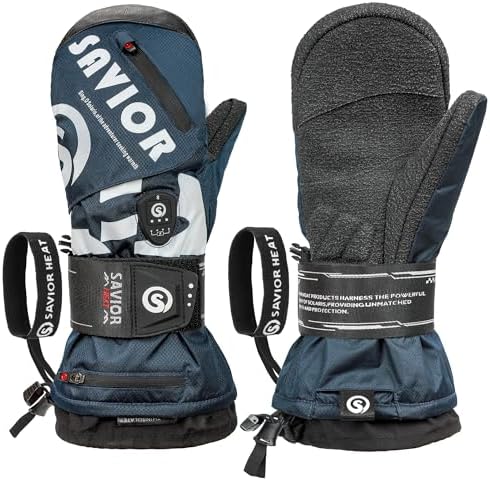
How do heated gloves compare to heated mittens?
Heated mittens typically provide more warmth because fingers share space, but they sacrifice dexterity significantly. Heated gloves offer better finger mobility for tasks requiring precision, while mittens excel in extreme cold where maximum warmth is the priority. Choose gloves for activities requiring dexterity (driving, using tools, operating devices) and mittens for activities where warmth is more important than finger movement (watching outdoor events, casual winter activities).
Can I use heated gloves while charging?
Most heated gloves cannot be used while charging for safety reasons. The charging process requires the battery to be removed from the glove, and using gloves with a charging cable attached would be impractical and potentially dangerous. Plan your charging schedule so batteries are ready when you need them—most models charge fully in 2-4 hours, so overnight charging works well for daily use.
Final Thoughts: Are Heated Gloves Worth It?
Heated gloves are a huge upgrade from traditional gloves. They improve warmth, circulation, and comfort in extreme cold. Carbon fiber or micro-heating wire technology delivers the best performance for daily use, sports, and work outdoors.
When choosing heated gloves, prioritize heating element coverage (especially fingertips), battery life that matches your activities, and construction quality that suits your environment. Whether you’re commuting in freezing temperatures, working outdoors, or enjoying winter sports, the right pair of heated gloves can transform your cold-weather experience by providing consistent, controllable warmth that traditional gloves simply cannot match.
Investing in quality heated gloves pays off through improved comfort, better circulation, and extended time you can spend in cold conditions. With proper care and maintenance, a good pair of heated gloves will serve you well for multiple seasons, making them a worthwhile investment for anyone who regularly faces cold weather.