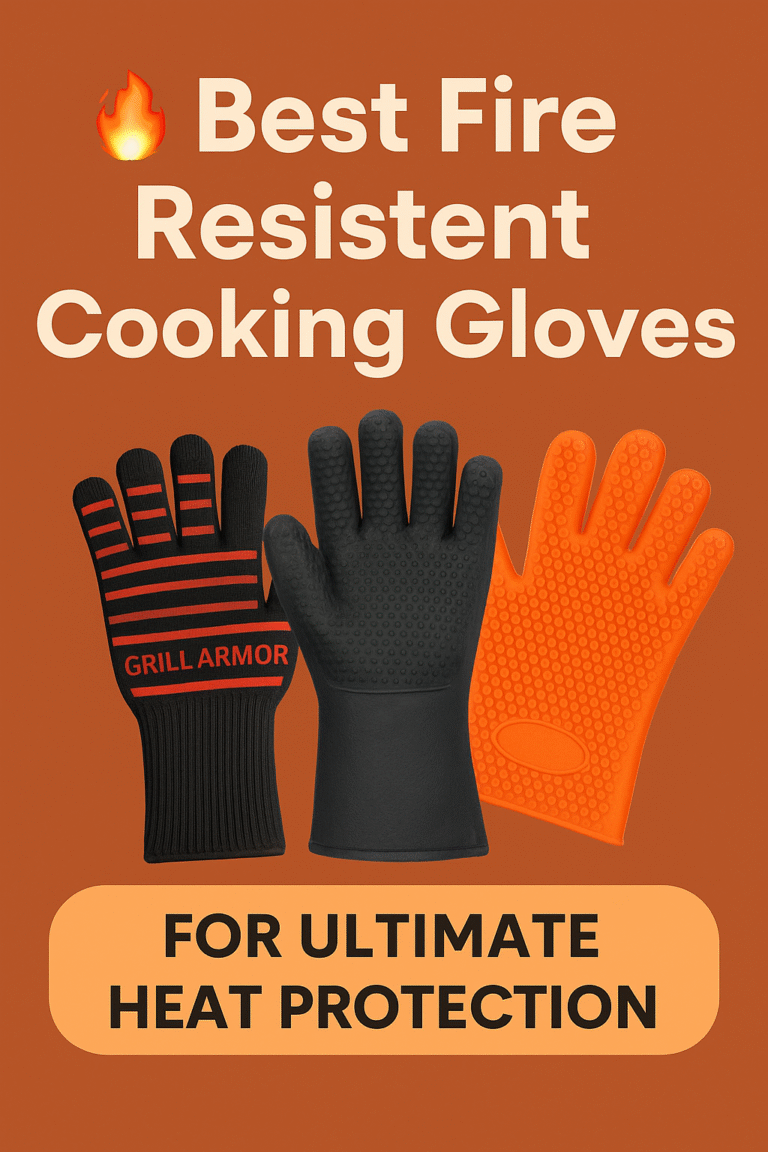
If your skin becomes irritated, red, itchy, or unusually dry after wearing gloves, you’re not alone — millions of people deal with glove-related sensitivities every day. These reactions can be caused by latex proteins, chemical accelerators, powder additives, or even friction from frequent glove use. Fortunately, you don’t have to give up wearing protective gloves. Modern glove materials such as accelerator-free nitrile, vinyl, neoprene, silicone, and TPE are designed specifically to reduce irritation and provide a more comfortable experience for people with sensitive or allergy-prone skin.
This guide explains the best glove types for sensitive skin, what makes them hypoallergenic, and which situations each material fits best.
Why Sensitive-Skin Gloves Matter
People with eczema, dermatitis, latex allergies, or chemical sensitivities often react to traditional gloves. Common symptoms include:
- Redness or rash after wearing gloves
- Itching, dryness, or burning
- Contact dermatitis from chemical accelerators
- Reactions caused by latex or powdered gloves
Choosing the right glove material can prevent irritation and allow safer, more comfortable wear.
Latex-Free Options
Most sensitive-skin gloves avoid latex entirely to prevent allergies.
Accelerator-Free Materials
These gloves remove thiurams and carbamates, which often trigger glove allergies.
Dermatologist-Recommended Choices
Made to minimize irritation, these gloves are best for frequent use and very sensitive skin.
Best Glove Materials for Sensitive Skin
1. Accelerator-Free Nitrile — Best Overall
Accelerator-free nitrile eliminates chemical accelerators — the most common cause of glove-related dermatitis.
- Latex-free
- No chemical accelerators
- Puncture-resistant
- Great for healthcare, beauty, food service, cleaning

2. Standard Nitrile — Durable & Latex-Free
Standard nitrile gloves are durable and widely tolerated.
- Latex-free
- Strong chemical resistance
- Comfortable for longer wear

3. Vinyl Gloves — Budget-Friendly & Low Allergy Risk
Vinyl gloves contain no latex or accelerators and are gentle on skin.
- No latex or accelerators
- Soft and flexible
- Affordable and ideal for food prep

4. TPE Gloves — Ultra-Gentle & Lightweight
TPE gloves are extremely light, latex-free, and irritation-free.
- No latex or accelerators
- Very gentle and flexible
- Best for short tasks and food handling

5. Neoprene Gloves — Latex-Free & Chemical-Resistant
Neoprene gloves offer chemical resistance with a comfortable feel.
- Great for dyes, hair chemicals, and cleaning agents
- Textured grip
- Flexible for extended wear
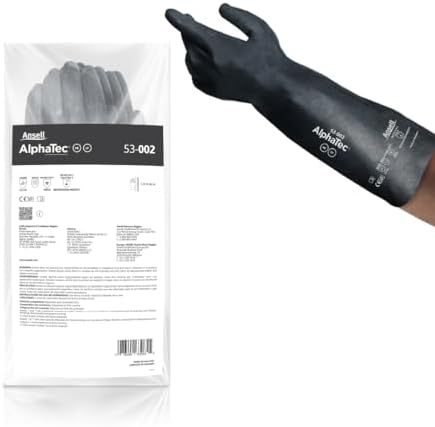
6. Silicone Gloves — Reusable & Hypoallergenic
Silicone gloves are reusable, hypoallergenic, and ideal for cleaning or dishwashing.
- Latex-free and hypoallergenic
- Heat-resistant
- Durable and washable

How to Choose the Right Gloves for Sensitive Skin
- Choose latex-free materials.
- Select accelerator-free gloves if rashes occur.
- Avoid powder (drying and irritating).
- Pick thickness based on your task.
- Test multiple materials to find comfort.
Final Thoughts
For most people, accelerator-free nitrile offers the best balance of protection and skin comfort. Those with severe sensitivities may prefer vinyl, TPE, or silicone.